
Fire Extinguisher Sales & Servicing
Keep the right extinguishers, in the right places, ready to work when they're needed.
Sales, inspection & maintenance in one visit
Fire extinguishers need to be the right type for the hazards in a space, mounted where they're accessible, and inspected on a regular schedule to stay compliant and effective. We help select, install, and maintain extinguishers for homes, offices, and commercial facilities, and can set up a recurring inspection schedule so you're not tracking due dates yourself.
Most inspection, recharge, and service work is handled directly from our fully-stocked service van, right on your property — no pulling extinguishers off the wall and shipping them out, and no gap in coverage while you wait.
- Extinguisher type and placement matched to your specific hazards
- On-site recharge and inspection from our service van
- Service tags and documentation ready for a fire marshal visit
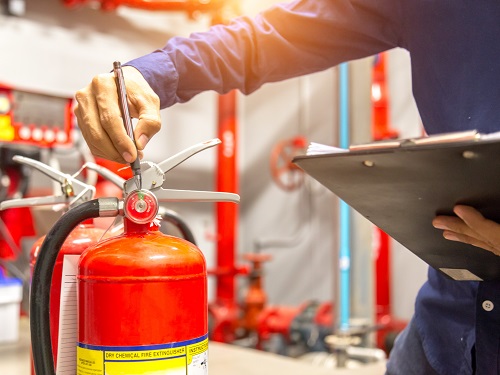
Matched to the hazard, not one-size-fits-all
| Class | Hazard type | Common agent |
|---|---|---|
| A | Ordinary combustibles — wood, paper, cloth | Water or dry chemical |
| B | Flammable liquids — grease, gasoline, oil | CO2 or dry chemical |
| C | Energized electrical equipment | CO2 or dry chemical (non-conductive agent) |
| D | Combustible metals | Specialized dry powder agent |
| K | Commercial kitchen cooking oils & fats | Wet chemical |
Many extinguishers are rated for multiple classes (e.g., "ABC" dry chemical units). We'll recommend the right class and count for your specific space — confirm exact ratings and required placement against current NFPA 10.
Typical extinguisher maintenance intervals
| Interval | What's checked |
|---|---|
| Monthly (visual) | Accessible, charged, undamaged, pin/seal intact |
| Annual maintenance | Full inspection and servicing by a technician, with a service tag applied |
| Periodic internal maintenance | More thorough internal examination on an interval that varies by extinguisher type |
| Hydrostatic testing | Pressure testing the cylinder on an interval set by extinguisher type |
⚠ These intervals vary by extinguisher type and are set by NFPA 10 — treat this table as a general overview only, and confirm exact required intervals for your specific extinguishers with us or your local fire marshal before relying on it for compliance.
From placement plan to recurring service
Survey
Walk the facility to identify hazards and required coverage.
Placement Plan
Right class, size, and mounting location for each area.
Install / Service
New units installed, or existing ones inspected and tagged.
Recurring Inspections
Scheduled visits so you're never chasing a due date.